
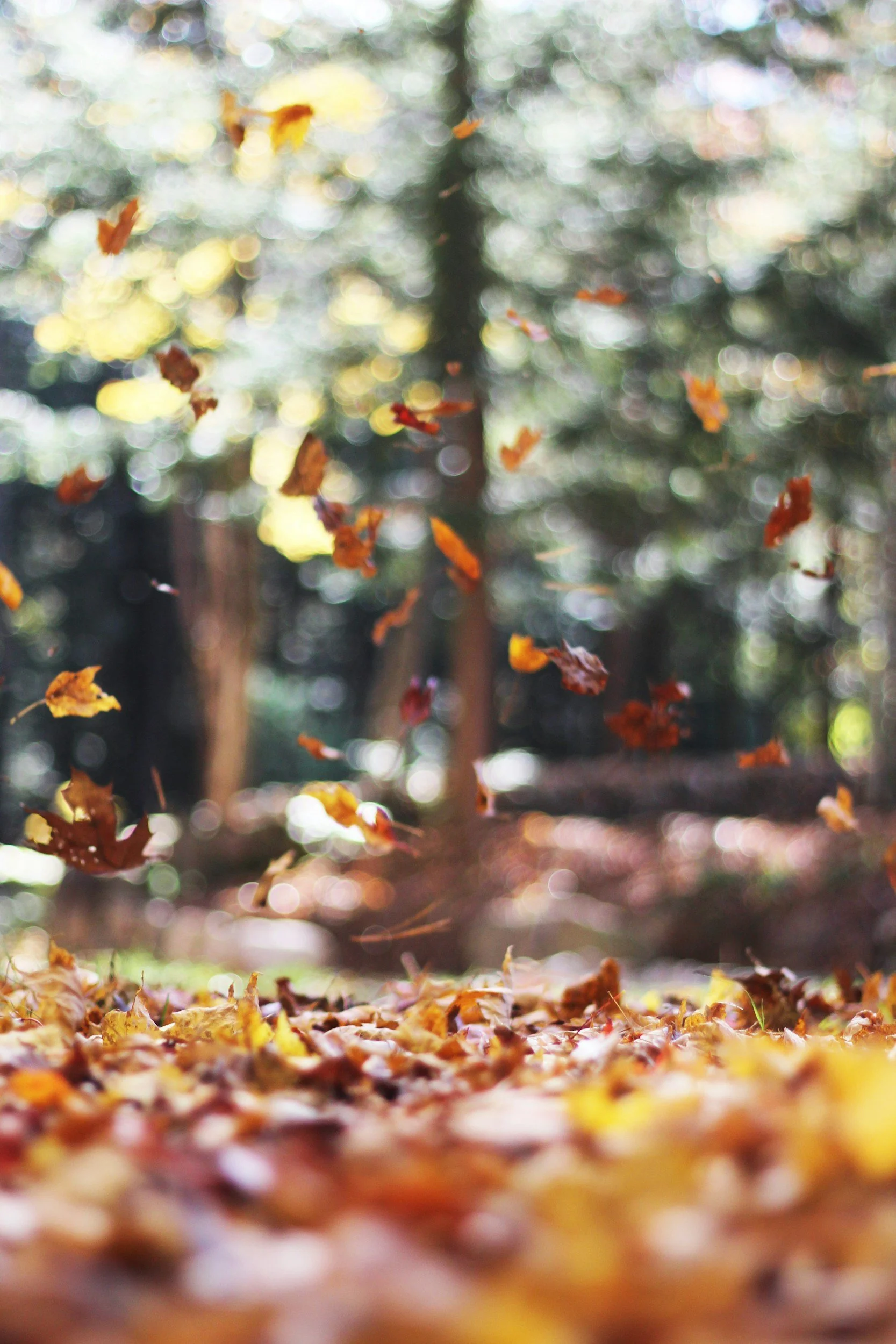
Fall is such a beautiful time of year. Trees transform into brilliant shades of red and orange before their leaves gently fall to the ground.
But once those leaves fall, our first instinct is often to rake them up, blow them into piles, bag them, and haul them to the curb for pickup.
And there’s something about the sound of a leaf blower that seems to go against everything nature represents: the stillness, peacefulness, and regeneration of life.
What if, instead of seeing fallen leaves as something to clean up, we began seeing them as something valuable to the living world around us?
Those fallen leaves are far more than yard waste. They are part of a thriving ecosystem.
When leaves fall to the ground, they create a protective habitat for countless small creatures, including bumblebees, caterpillars, and fireflies that spend part of their lives nestled among the leaves. Frogs and other small animals also seek shelter beneath this natural blanket.
These tiny beings also support other wildlife. Birds, including robins, forage through fallen leaves in search of insects.
In other words, what might look like a messy yard to us is actually a place full of life.
But fallen leaves do more than provide shelter. They also nourish and protect the soil beneath our feet.
As leaves gradually decompose, they return nutrients to the earth, support beneficial microorganisms, help retain soil moisture, and protect the ground from temperature extremes.
It's nature's way of regenerating itself without our help.
According to Homegrown National Park, the more leaves we leave on our properties, the better for wildlife and soil health.
Of course, leaving the leaves doesn't mean we have to abandon caring for our yards. We can simply rethink what a healthy, beautiful landscape looks like.
Here are a few ways to get started:
· Leave leaves where they fall, especially beneath trees, shrubs, and garden beds, where they can provide valuable wildlife habitat.
· Move excess leaves from your lawn into garden beds or beneath trees and shrubs, where they can decompose naturally without smothering the grass.
· Avoid piling leaves too deeply around plant stems and tree trunks. A loose, natural layer provides shelter while allowing plants to thrive.
· Keep pathways and driveways clear and maintain tidy borders to keep your landscape looking cared for.
· Add a small sign to your yard explaining that you're intentionally leaving the leaves to support pollinators, wildlife, and healthy soil.
For generations, we've been conditioned to think a beautiful yard is perfectly manicured, free of fallen leaves and other signs of nature's cycles.
But perhaps it's time to rethink that idea.
What we see as messy, the rest of nature may see as home.
Leaving the leaves is a simple shift in how we care for our natural spaces. And when more of us embrace this practice, we create more opportunities for wildlife to find shelter, for soil to regenerate, and for biodiversity to flourish right outside our doors.
Sometimes, one of the most meaningful things we can do for nature is simply to let it be.
Reference:
Homegrown National Park. Leave the Leaves: Why Less Cleanup Means More Life.
https://homegrownnationalpark.org/news/stories/leave-the-leaves-why-less-cleanup-means-more-life/
